Plantation Trace
The Okefenokee at first light, cypress in dark mirror water, and the deep-south wetlands where alligators and ibis rule. Georgia's untamed edge.
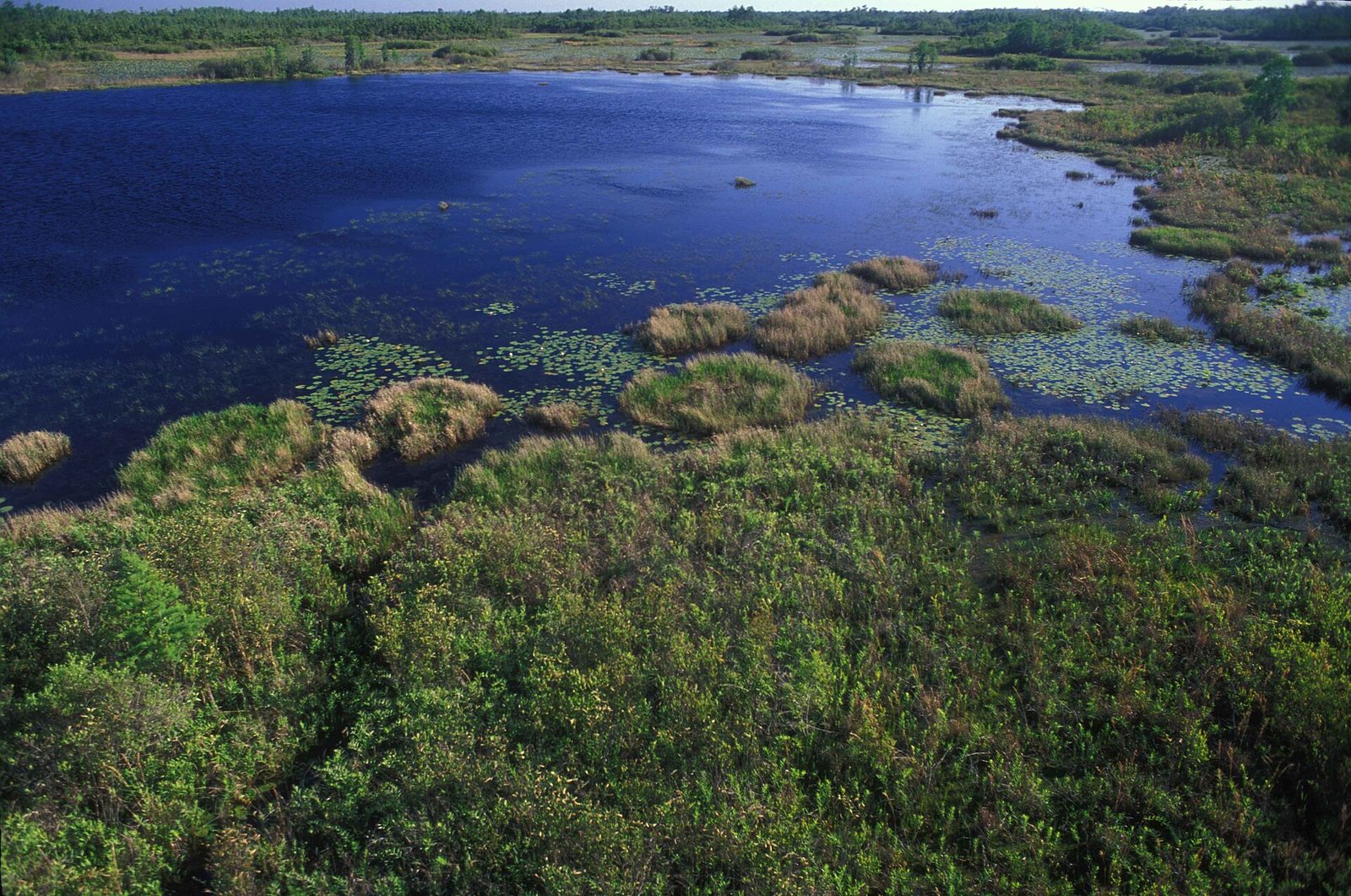
Plantation Trace is Georgia's deep-south corner — the flat, hot, gorgeous country between Albany and the Florida line where the Okefenokee Swamp (402,000 acres of blackwater, cypress, and 12,000 alligators) is the anchor. This is one of the largest intact freshwater wetlands in North America, a National Wildlife Refuge under active consideration for UNESCO World Heritage status, and the source of both the Suwannee and St. Marys rivers.
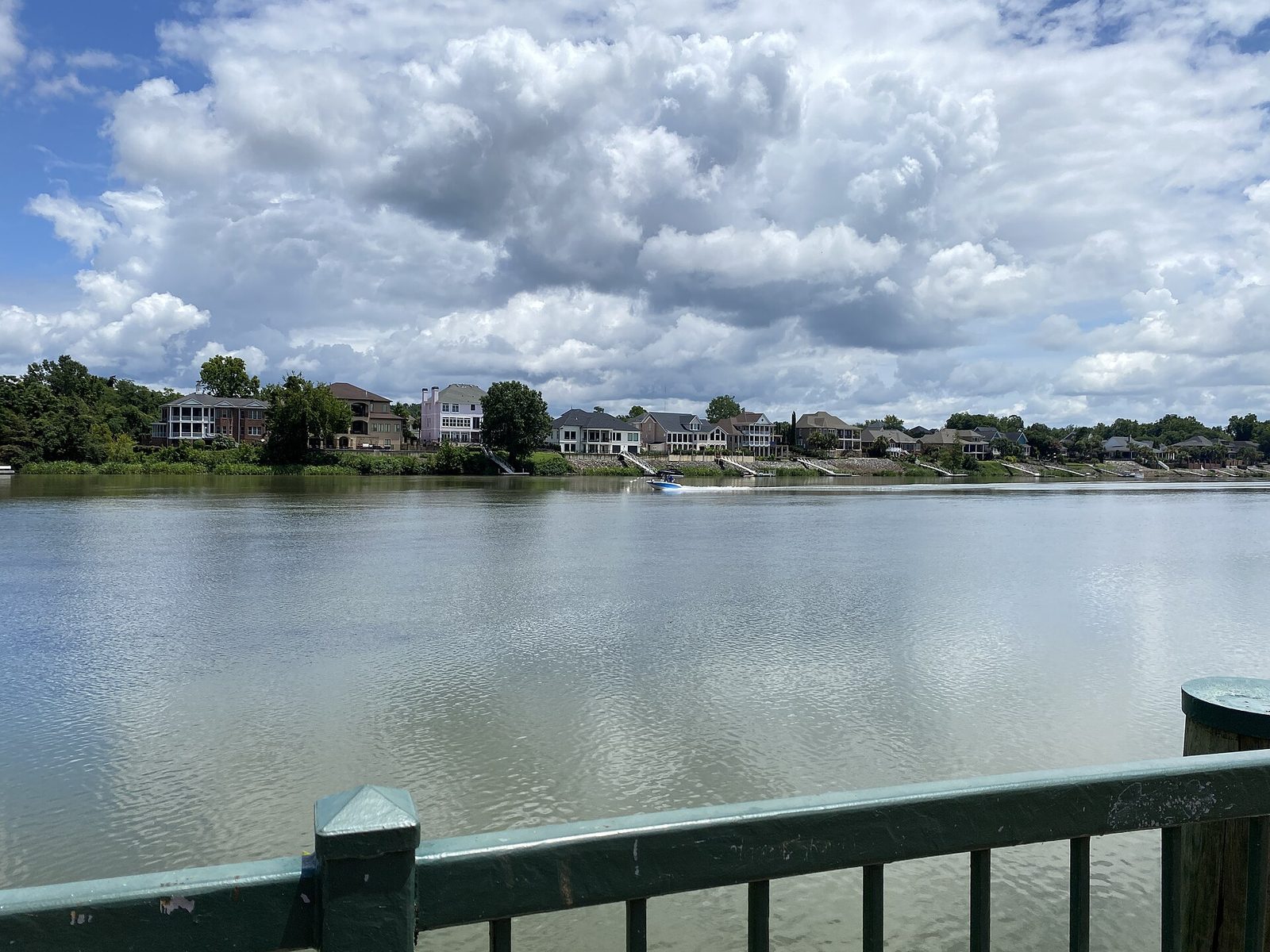
Around it: Thomasville's Victorian downtown and 300-year-old Big Oak, the antebellum quail-hunting plantations of Red Hills, Colquitt's mural-covered walls, and Bainbridge's Flint River waterfront. It's a quieter, more agricultural counterpart to the coast — the Georgia most travelers never see.
Best time to visit
- November through April is Okefenokee prime — cool days (60s–70s), fewer bugs, and active wildlife. December through February is the sweet spot.
- Thomasville's Rose Show and Festival in late April fills the town's Victorian streets with 25,000 blooms.
- Summer in the swamp is genuinely brutal — heat, humidity, and mosquitoes; go before 10 a.m. if you must go at all.
Getting around
- The region is a 3.5- to 5-hour drive from Atlanta. Albany has a regional airport (ABY); Tallahassee, FL is often a cheaper flight for the Thomasville side.
- You need a car everywhere. Roads are flat, straight, and empty — easy driving.
- The Okefenokee has three entrances: the East (Folkston / Suwannee Canal), the West (Fargo / Stephen C. Foster State Park), and the North (Waycross / Okefenokee Swamp Park). They don't connect internally — pick one.
Top things to do
The West entrance is the most immersive — rent a jon boat or kayak at the concession, drift down the Suwannee River channel, and sleep in a cabin under the darkest skies in Georgia (an official International Dark Sky Park).
The Big Oak is 300+ years old and 68 feet tall; downtown Broad Street has boutiques and Sweet Grass Dairy's cheese shop; the Pebble Hill Plantation tour walks you through Red Hills hunting-plantation history.
Georgia's largest natural spring — 70,000 gallons a minute of 68° water in a startlingly blue pool, now a public garden after the old casino resort was destroyed by floods.
It's technically Presidential Pathways but only 90 minutes from Albany — worth the loop if you're already down here.
Insider tips
- Book Stephen C. Foster State Park cabins 6+ months ahead — nine cabins, one of Georgia's darkest night skies, and often sold out in cool months.
- The Suwannee Canal Recreation Area (Folkston side) has the best short boardwalk into a genuine cypress prairie — good for travelers on a half-day.
- Grassroots Coffee on the Thomasville square is the right morning stop; Jonah's Fish & Grits the right dinner.
Itineraries through Plantation Trace
Ready-to-book multi-day plans that thread Plantation Trace together with the surrounding stops travelers love most.
Okefenokee dawn paddles, cypress-mirror lakes, and Providence Canyon's painted walls. Georgia at its most untamed.
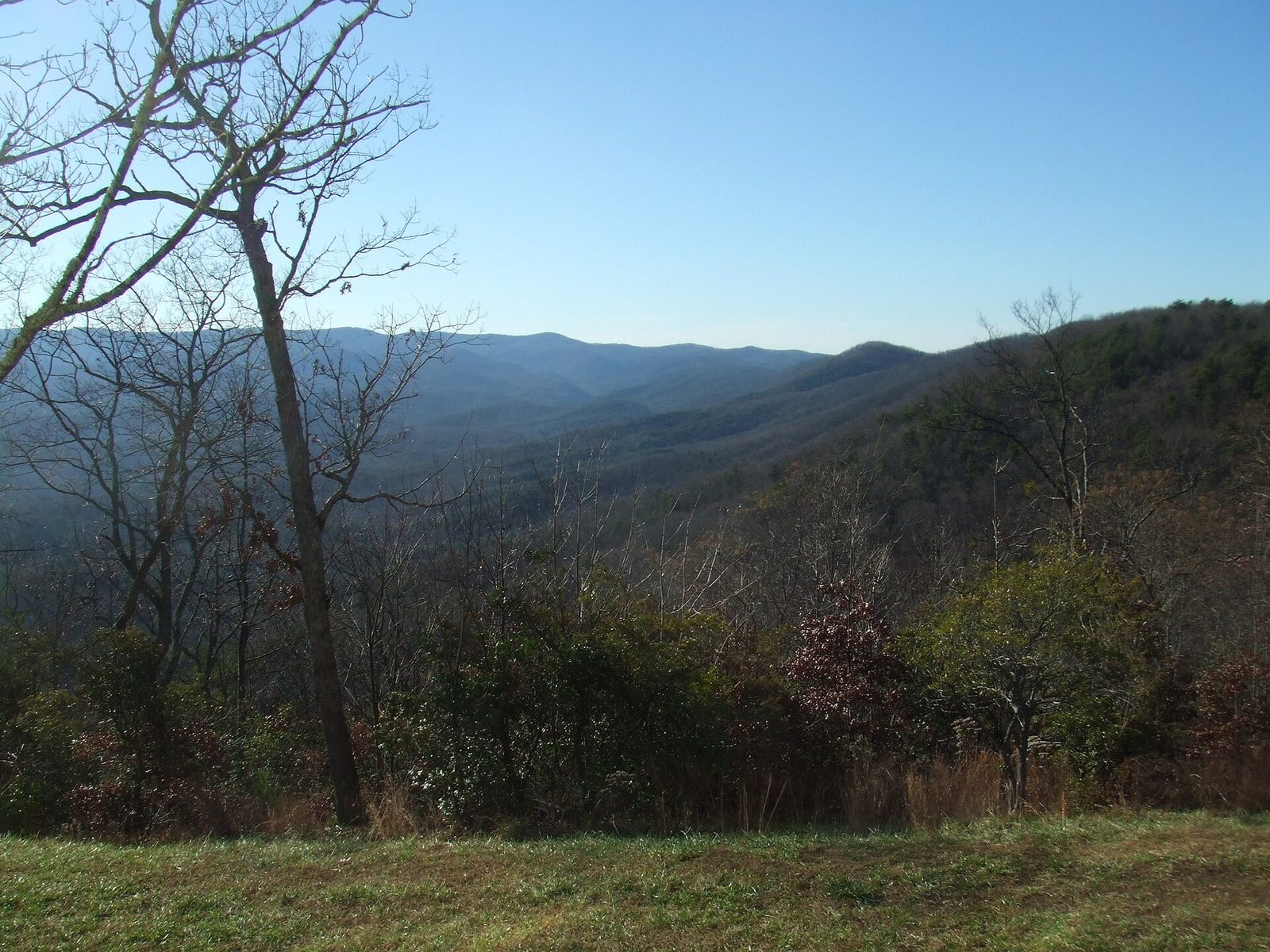
Cross the state from ocean to summit — Sea Island tides, Savannah squares, Milledgeville brick, and a Blue Ridge cabin finale.
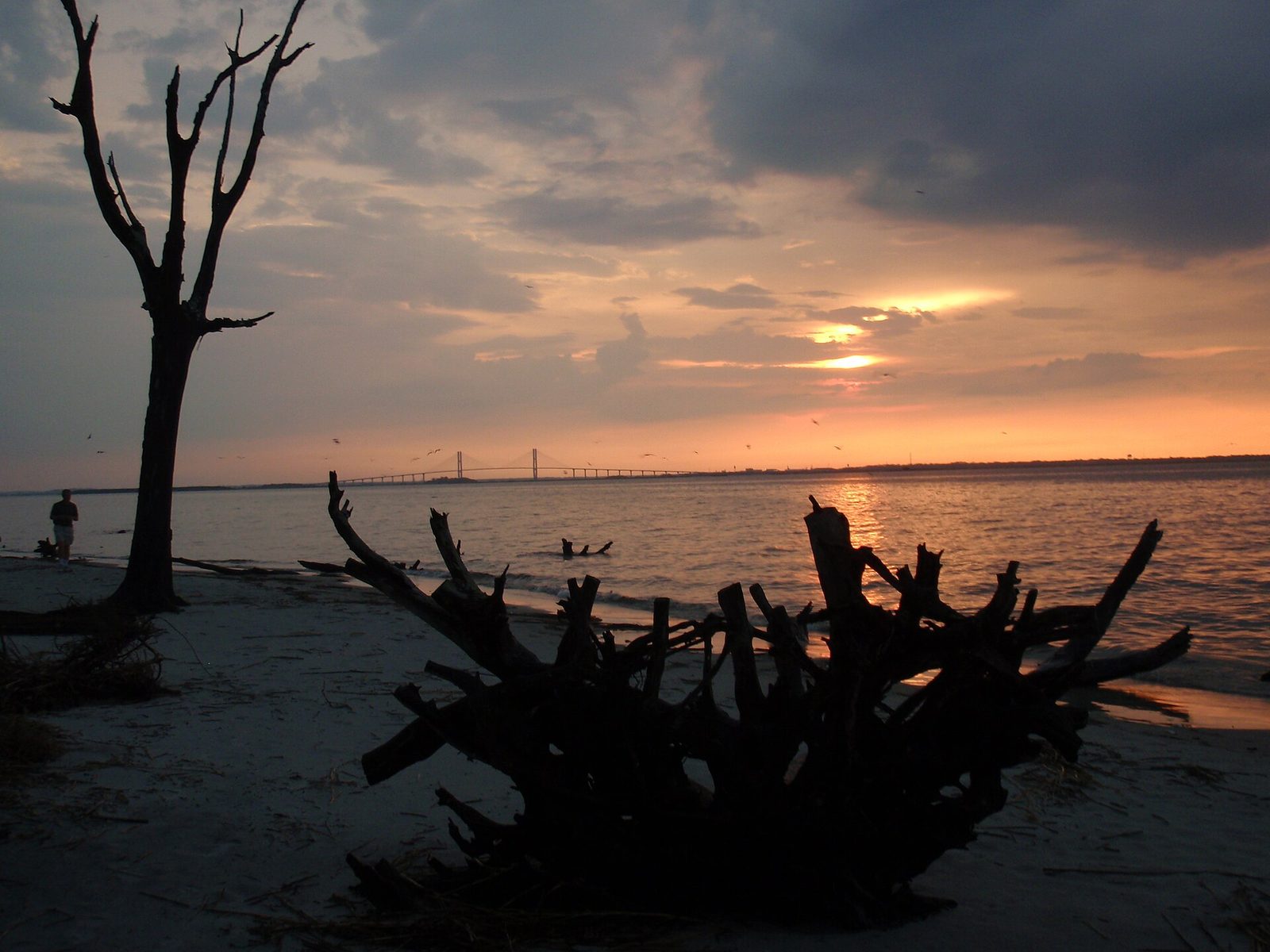
Beach mornings, dolphin cruises, marsh kayaks, and evenings around a firepit. Kid-tested, parent-approved.
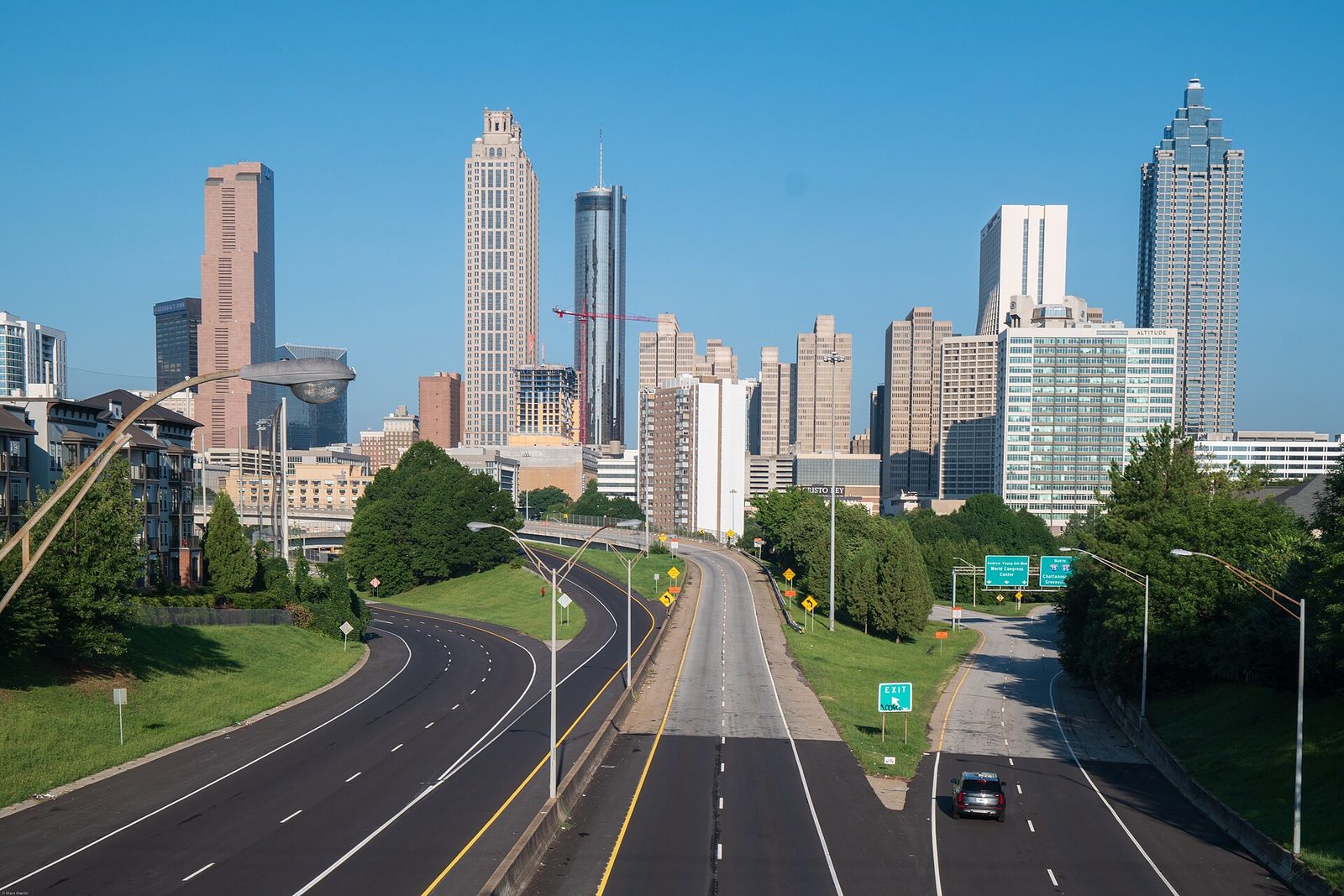
Chase the sunset.
Meet the South.
From peach orchards at first light to tidewater dinners at last light — your itinerary is waiting to be written.
Start Your Adventure